

Popular Restaurant


Seoul's Top 3 Stir-Fried Chicken: Okeunnae Dakgalbi, Michelin Bib Gourmand Restarant
40-9 Hangangno 3(sam)-ga, Yongsan District, Seoul KR
 5
5
Hondon Yongsan, Smoked K-BBQ
93-3 Wonhyoro 2(i)-ga, Yongsan District, Seoul KR
4
Namyeong-dong Yangmoon Seongsu: A Netflix Star Chef's Korean BBQ
51 Seongsui-ro, Seongdong-gu, Seoul KR
4Korean Trend

Culinary Class Wars Season 2 Winner: How Cooking for Himself, Not Recognition, Won the Title
Korea

Gochujang vs. Doenjang vs. Ssamjang: Understand the Difference
Korea

Ssamjang: The Ultimate Guide to Korea’s Magic Dipping Sauce
Korea
Delicious Recipes


Spotlight Ingredients
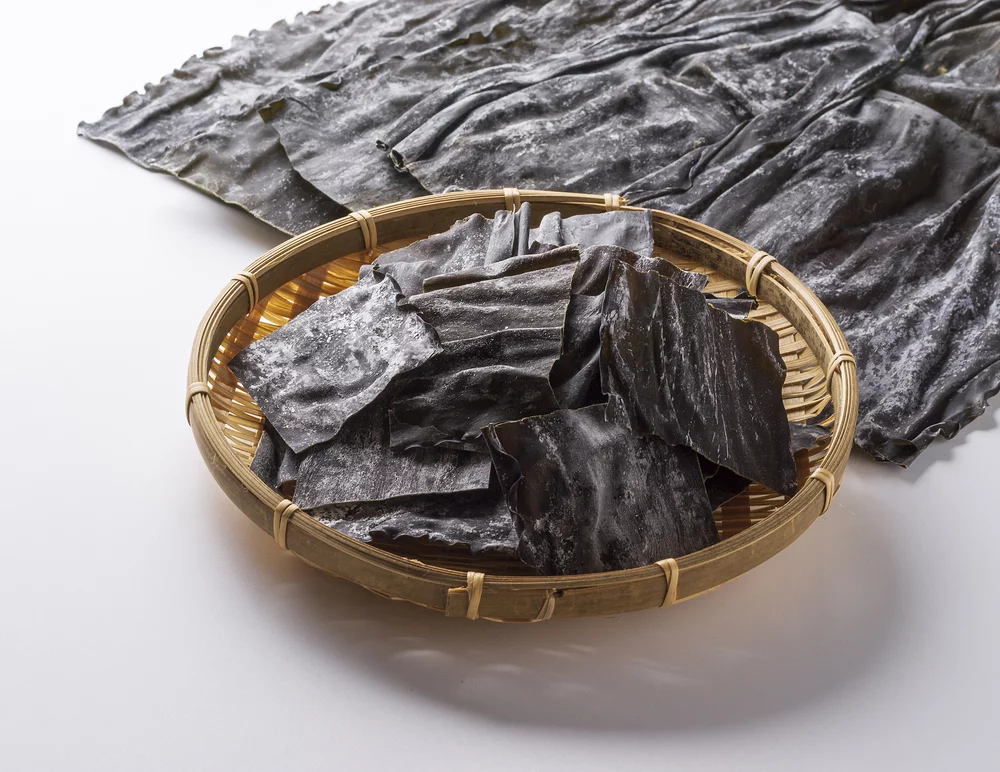
Korean Kelp (Dashima): The Silent Hero Behind Every Great Korean Broth
Walk into any Korean grandmother’s kitchen, and you’ll find it tucked away in the pantry—dark, dried sheets of seaweed that look almost ancient, covered in a mysterious white powder. This unassuming ingredient is dashima (다시마), and without it, the entire foundation of Korean cooking would simply collapse. While flashier ingredients like gochujang and kimchi often steal the spotlight, dashima works quietly behind the scenes, providing the clean, savory depth that makes Korean soups and stews so remarkably satisfying.
Korean kelp represents one of those ingredients that transforms cooking from mere food preparation into culinary artistry. A simple sheet of dried seaweed, when simmered correctly, releases natural glutamates that create what scientists now recognize as umami—the fifth taste that makes food genuinely delicious. For generations, Korean home cooks have understood this instinctively, even before the scientific explanation existed.

Korean Pork
Korean pork, known as dwaeji-gogi (돼지고기) in Korean, stands as one of the most beloved and widely consumed meats in Korean cuisine. From the sizzling sounds of samgyeopsal grilling at a Korean BBQ table to the tender slices of boiled bossam wrapped in fresh cabbage leaves, pork forms the backbone of countless traditional and contemporary Korean dishes. South Koreans consume approximately 21 kilograms of pork belly alone per person annually, making the country one of the highest per capita consumers of this versatile meat.
What makes Korean pork preparations so distinctive is not simply the quality of the meat itself, but the sophisticated culinary techniques and bold seasonings that have developed over centuries. Korean cooks have mastered the art of transforming various pork cuts through grilling, boiling, braising, stir-frying, and stewing—each method designed to highlight the natural richness of the meat while balancing flavors with fermented condiments like gochujang and doenjang.

Korean Eggplant
Korean eggplant, known as gaji (가지) in Korean, represents one of the most beloved summer vegetables in Korean home cooking. This slender, purple-skinned vegetable transforms into silky, tender bites when properly prepared, readily absorbing the bold flavors of garlic, soy sauce, doenjang, and sesame oil that define Korean cuisine. Unlike the heavy, oil-laden eggplant dishes common in other culinary traditions, Korean preparations favor steaming and light stir-frying, resulting in dishes that are both satisfying and health-conscious.
Throughout this guide, you’ll discover why Korean cooks have treasured this seasonal ingredient for generations, how to select the best specimens at your local market, and the traditional techniques that bring out eggplant’s natural sweetness while maintaining its appealing texture.
Korean Kelp (Dashima): The Silent Hero Behind Every Great Korean Broth
Walk into any Korean grandmother’s kitchen, and you’ll find it tucked away in the pantry—dark, dried sheets of seaweed that look almost ancient, covered in a mysterious white powder. This unassuming ingredient is dashima (다시마), and without it, the entire foundation of Korean cooking would simply collapse. While flashier ingredients like gochujang and kimchi often steal the spotlight, dashima works quietly behind the scenes, providing the clean, savory depth that makes Korean soups and stews so remarkably satisfying.
Korean kelp represents one of those ingredients that transforms cooking from mere food preparation into culinary artistry. A simple sheet of dried seaweed, when simmered correctly, releases natural glutamates that create what scientists now recognize as umami—the fifth taste that makes food genuinely delicious. For generations, Korean home cooks have understood this instinctively, even before the scientific explanation existed.
Korean Pork
Korean pork, known as dwaeji-gogi (돼지고기) in Korean, stands as one of the most beloved and widely consumed meats in Korean cuisine. From the sizzling sounds of samgyeopsal grilling at a Korean BBQ table to the tender slices of boiled bossam wrapped in fresh cabbage leaves, pork forms the backbone of countless traditional and contemporary Korean dishes. South Koreans consume approximately 21 kilograms of pork belly alone per person annually, making the country one of the highest per capita consumers of this versatile meat.
What makes Korean pork preparations so distinctive is not simply the quality of the meat itself, but the sophisticated culinary techniques and bold seasonings that have developed over centuries. Korean cooks have mastered the art of transforming various pork cuts through grilling, boiling, braising, stir-frying, and stewing—each method designed to highlight the natural richness of the meat while balancing flavors with fermented condiments like gochujang and doenjang.
Korean Eggplant
Korean eggplant, known as gaji (가지) in Korean, represents one of the most beloved summer vegetables in Korean home cooking. This slender, purple-skinned vegetable transforms into silky, tender bites when properly prepared, readily absorbing the bold flavors of garlic, soy sauce, doenjang, and sesame oil that define Korean cuisine. Unlike the heavy, oil-laden eggplant dishes common in other culinary traditions, Korean preparations favor steaming and light stir-frying, resulting in dishes that are both satisfying and health-conscious.
Throughout this guide, you’ll discover why Korean cooks have treasured this seasonal ingredient for generations, how to select the best specimens at your local market, and the traditional techniques that bring out eggplant’s natural sweetness while maintaining its appealing texture.
Korean Kelp (Dashima): The Silent Hero Behind Every Great Korean Broth
Walk into any Korean grandmother’s kitchen, and you’ll find it tucked away in the pantry—dark, dried sheets of seaweed that look almost ancient, covered in a mysterious white powder. This unassuming ingredient is dashima (다시마), and without it, the entire foundation of Korean cooking would simply collapse. While flashier ingredients like gochujang and kimchi often steal the spotlight, dashima works quietly behind the scenes, providing the clean, savory depth that makes Korean soups and stews so remarkably satisfying.
Korean kelp represents one of those ingredients that transforms cooking from mere food preparation into culinary artistry. A simple sheet of dried seaweed, when simmered correctly, releases natural glutamates that create what scientists now recognize as umami—the fifth taste that makes food genuinely delicious. For generations, Korean home cooks have understood this instinctively, even before the scientific explanation existed.
Korean Pork
Korean pork, known as dwaeji-gogi (돼지고기) in Korean, stands as one of the most beloved and widely consumed meats in Korean cuisine. From the sizzling sounds of samgyeopsal grilling at a Korean BBQ table to the tender slices of boiled bossam wrapped in fresh cabbage leaves, pork forms the backbone of countless traditional and contemporary Korean dishes. South Koreans consume approximately 21 kilograms of pork belly alone per person annually, making the country one of the highest per capita consumers of this versatile meat.
What makes Korean pork preparations so distinctive is not simply the quality of the meat itself, but the sophisticated culinary techniques and bold seasonings that have developed over centuries. Korean cooks have mastered the art of transforming various pork cuts through grilling, boiling, braising, stir-frying, and stewing—each method designed to highlight the natural richness of the meat while balancing flavors with fermented condiments like gochujang and doenjang.
Korean Eggplant
Korean eggplant, known as gaji (가지) in Korean, represents one of the most beloved summer vegetables in Korean home cooking. This slender, purple-skinned vegetable transforms into silky, tender bites when properly prepared, readily absorbing the bold flavors of garlic, soy sauce, doenjang, and sesame oil that define Korean cuisine. Unlike the heavy, oil-laden eggplant dishes common in other culinary traditions, Korean preparations favor steaming and light stir-frying, resulting in dishes that are both satisfying and health-conscious.
Throughout this guide, you’ll discover why Korean cooks have treasured this seasonal ingredient for generations, how to select the best specimens at your local market, and the traditional techniques that bring out eggplant’s natural sweetness while maintaining its appealing texture.
Verify as an editor
and share your experience

Explore


Explore
Explore